The allure of risk and reward
The thrill of casino gambling often hinges on the psychological interplay of risk and reward. Players are drawn to the adrenaline rush that comes from the possibility of winning big, which serves as a powerful motivator. The uncertainty inherent in gambling creates a sense of excitement; the brain releases dopamine, a neurotransmitter associated with pleasure, whenever a player wins, reinforcing the behavior and increasing the desire to continue playing. In many cases, players might even seek out the fastest payout online casino canada for an exhilarating experience.

Moreover, the appeal of high-stakes games that promise substantial rewards can make even the most cautious individuals take a leap of faith. This allure is not merely about the potential for financial gain but also taps into deeper psychological desires for validation, excitement, and escapism. As players stake their money, they experience a temporary escape from their routine lives, igniting feelings of empowerment and control.
The social aspect of gambling
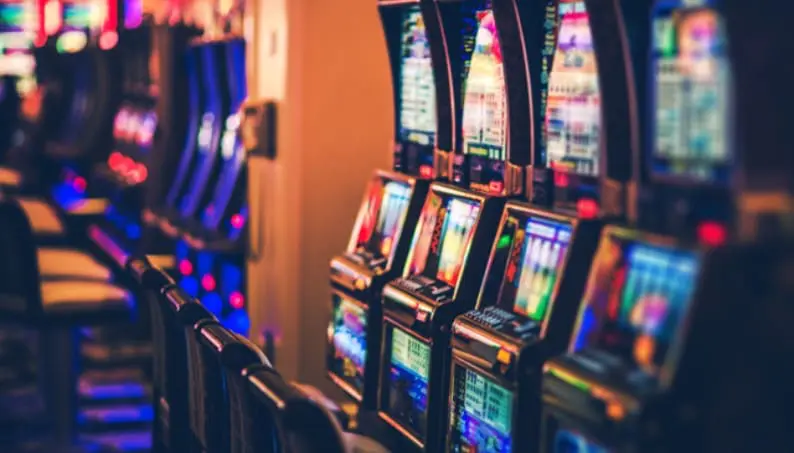
The social context surrounding casino gambling plays a significant role in attracting players. Casinos are often bustling environments filled with like-minded individuals seeking a communal experience. This social interaction can enhance the enjoyment of gaming, as players share in the excitement of wins and the camaraderie of losing together. The atmosphere created by the combination of lights, sounds, and interactions further amplifies the emotional experience.
In addition to the thrill of the game itself, many players relish the opportunity to socialize. The ability to engage with others, whether through competitive banter or shared celebrations, can fulfill an innate human craving for connection. This social dimension adds another layer of complexity to the motivations behind gambling, making it more than just a solitary pursuit.
Cognitive biases and decision-making
Understanding the cognitive biases that influence gambling behavior is essential for grasping the psychology behind it. Many players fall victim to the “gambler’s fallacy,” a belief that past outcomes can affect future results. This misconception can lead individuals to chase losses or continue investing time and money into a game, hoping that luck will eventually turn in their favor. Such biases can significantly distort rational decision-making.
Furthermore, the tendency to overestimate one’s skills or intuition can prompt players to take risks that they otherwise might avoid. The illusion of control can be a powerful driving force, leading individuals to believe that they can predict or influence outcomes in games of chance. As a result, they may engage in more frequent or higher-stake gambling, further reinforcing their attachment to the gambling environment.
The impact of marketing and environment
The casino industry employs sophisticated marketing strategies and designs that capitalize on human psychology. From the layout of the casino floor to the use of colors, sounds, and scents, every element is meticulously crafted to enhance the gaming experience and keep players engaged for longer periods. Free drinks, alluring promotions, and loyalty rewards create a sense of hospitality, making it easier for players to lose track of time and money.
These environmental cues can create a sense of urgency, compelling players to make quick decisions. Additionally, the absence of clocks and windows reinforces a psychological state of detachment from reality, making it easier for individuals to lose themselves in the experience. This curated environment is key to understanding why players return to casinos, as it continually stimulates their senses and emotions.
Community and cultural influences on gambling
The cultural context and community surrounding casino gambling profoundly influence player behavior. In some societies, gambling is a socially acceptable leisure activity, celebrated for its entertainment value. This acceptance can prompt individuals to partake in gambling as a form of social bonding or cultural participation, further reinforcing the behavior.
Casinos also often create a sense of belonging among players. Regular visitors may develop their own social circles within the gambling community, making the experience more enjoyable and reinforcing their commitment to returning. This sense of community can lead to a cycle of participation, where individuals are drawn back to the casino not just for the gambling but for the connections they form with others who share similar interests.
About Blue Canoe Theatrical
While this article has delved into the psychological aspects of casino gambling, it is essential to highlight the cultural contributions of platforms like Blue Canoe Theatrical. This dedicated site not only showcases various theatrical performances but also fosters a community of performers and audiences, similar to the social connections seen in gambling atmospheres.
By promoting local theater and offering easy access to information about shows and ticket purchases, Blue Canoe Theatrical enhances the cultural experience for its users. Just as casinos create vibrant social interactions around gaming, theater brings together individuals to appreciate the arts, showcasing how community and entertainment can intersect in enriching ways.


